
Organic or Paid? Why the Answer for Most Businesses Is Both
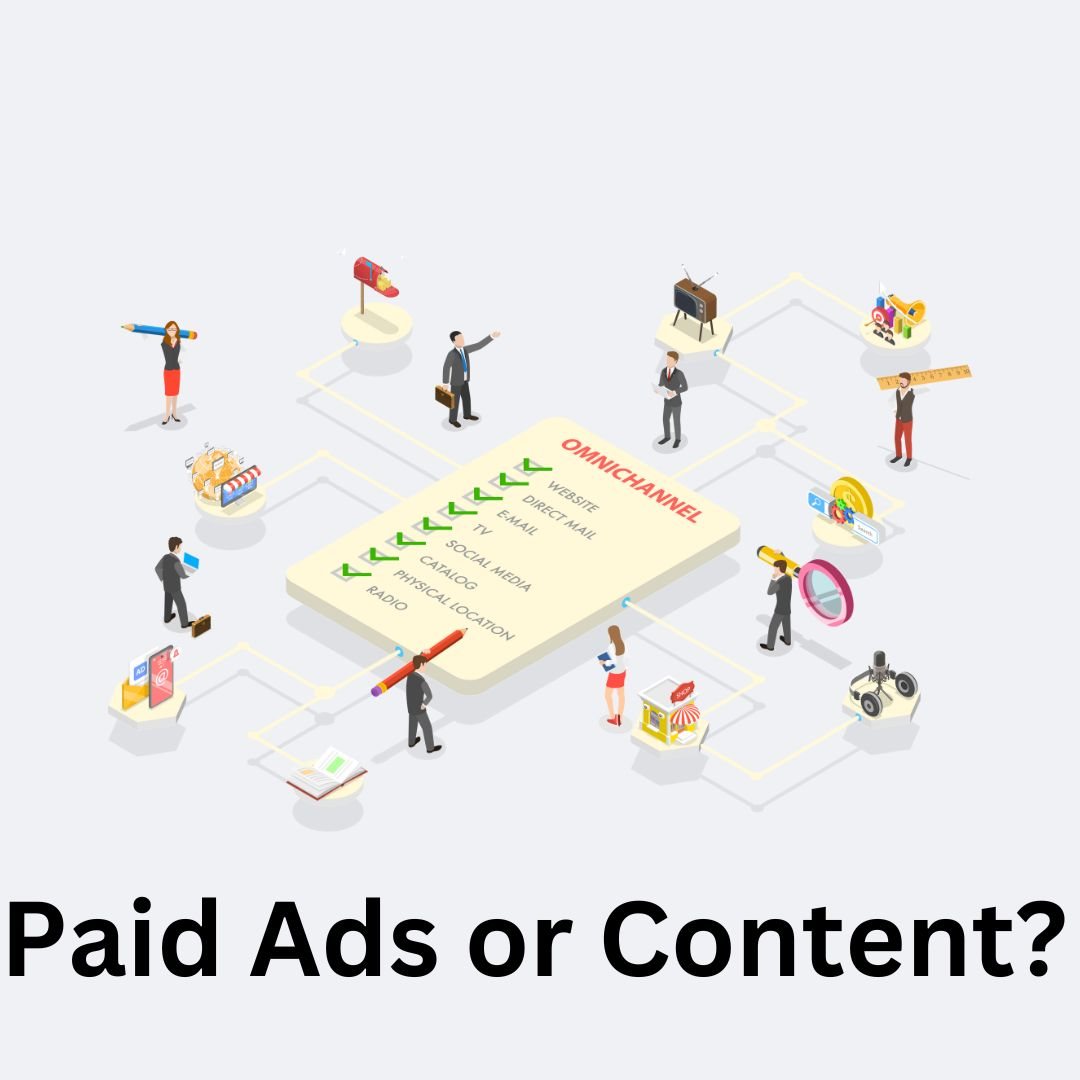
I get asked constantly whether paid ads or content marketing is better. The honest answer is that it depends on your business, your sales process, your customer journey and your goals — and that having worked with a lot of clients, the results come from synergising both, not picking a side.
Worth saying up front: organic is not actually free. Creating content still costs you time, tools, editors and copywriting.
Some businesses dismiss paid. Some dismiss organic. In both cases it comes back to their particular objective and the way their customers buy. So rather than argue A versus B, here is how to run A and B.
1. Treat ads as a traffic tool for your content
Change the mindset. Ads are not a vending machine for sales. They are the fastest way to get the right people in front of the thing you have already built.
2. Build a lead nurturing system
Instead of expecting ads to bring you sales directly, see them as bringing warmer, higher-intent traffic. Then nurture those people with real insight: educate them on the problem and the range of solutions, so your product stands out as the best one for them.
3. Strategise your ads
People complain that ads cost a lot. Costs have genuinely risen year on year. But I also see a lot of ineffective ads — wrong message, weak hook or creative, unattractive offer — and then the ads get blamed for not working.
4. Have a 24/7 follow-up system for opt-ins
This is the single most common pitfall among people who run ads and then complain they are expensive. The reason is almost always sub-optimised follow-up:
- A slow first reply, or no reply at all
- Not following up often or consistently enough
- No proper CRM to track, measure and improve the sales process, so nobody can make a better decision
5. Optimise content for conversion
Have a proper content plan. Narrow to your top three objectives — educate, inspire, entertain. Variety builds a long-term relationship and keeps your audience consuming, as long as the content delivers real value and builds trust.
The common mistake to avoid: being too salesy. Balance it towards educational and insightful instead.
Then add an effective call to action that drives the audience to a next step — a DM, a landing page, a lead magnet that solves a problem or gives them a quick win.
Why picking a side is the wrong frame
Think about how Starbucks and McDonald's choose locations: highly strategic, highly visible. Bring that thinking online. It is good to position yourself and be seen in the strategic places digitally.
So is this still a question of choosing a side? Or is it a question of covering as much ground as you can afford to cover well? Automation and AI make that more manageable than it used to be, rather than more overwhelming.
If you want to know which half of your own mix is underperforming, book a 30-minute audit and bring one channel and 30 days of enquiries.